The Boys: Trigger Warning
Job overview:

About This Work
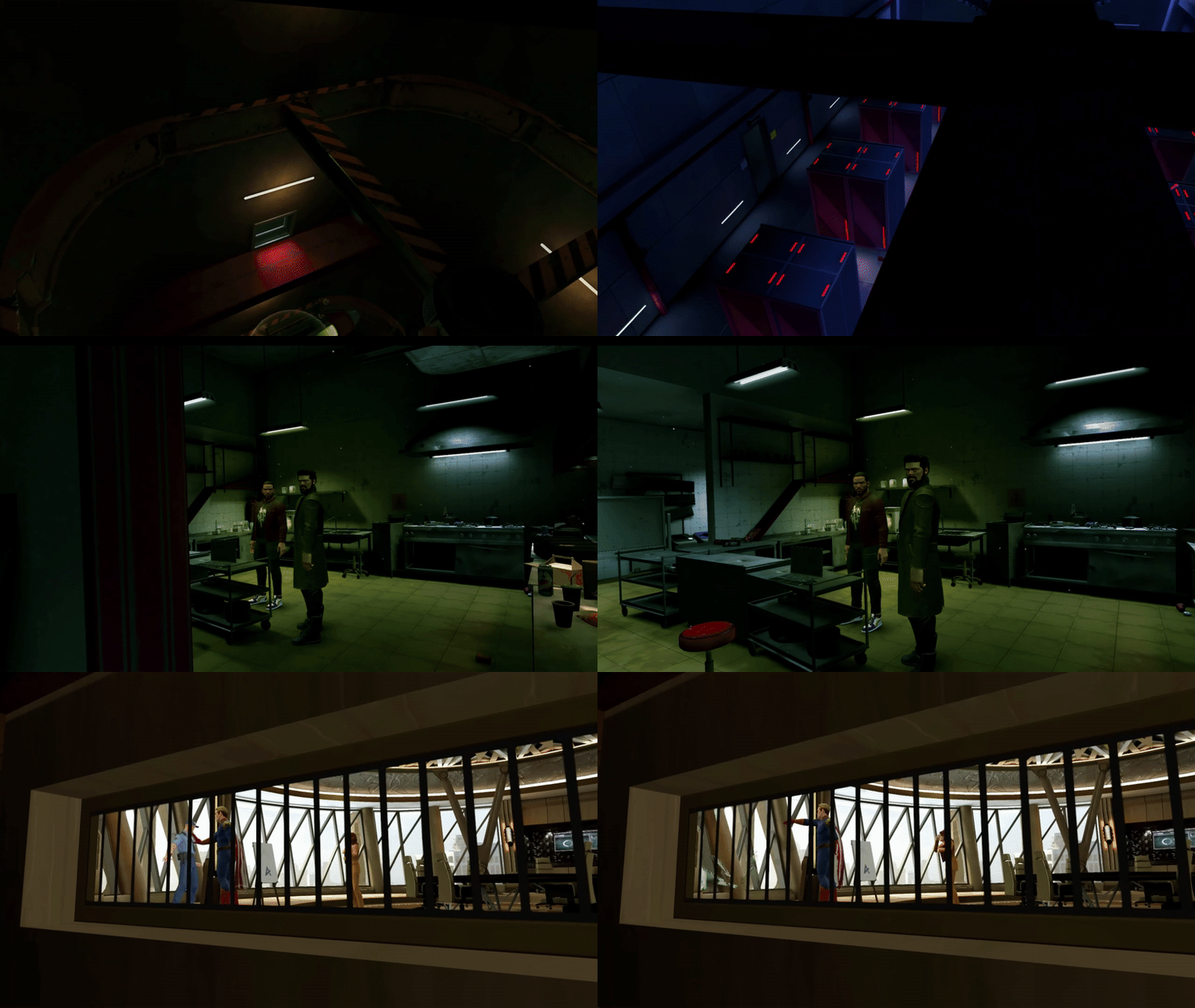
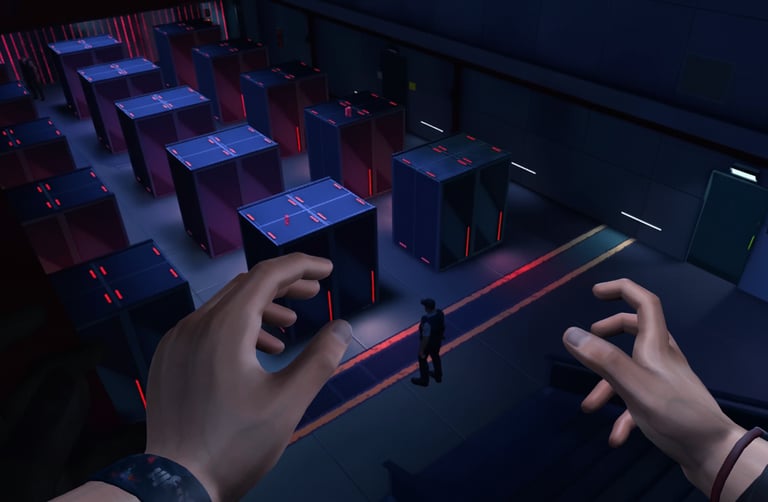
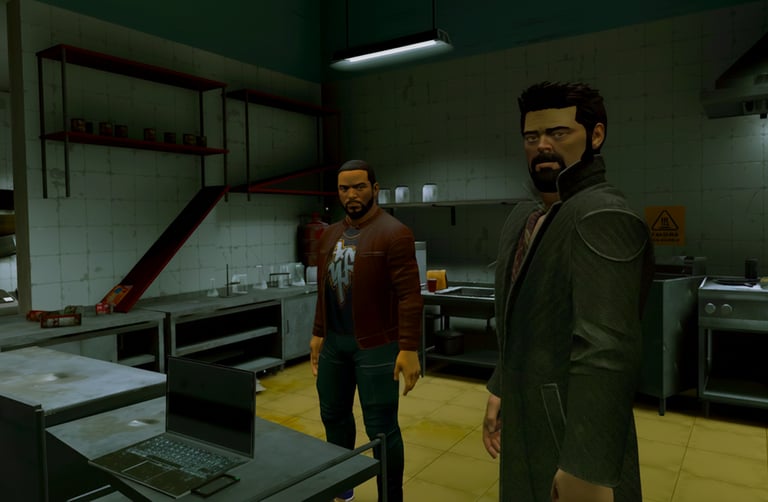
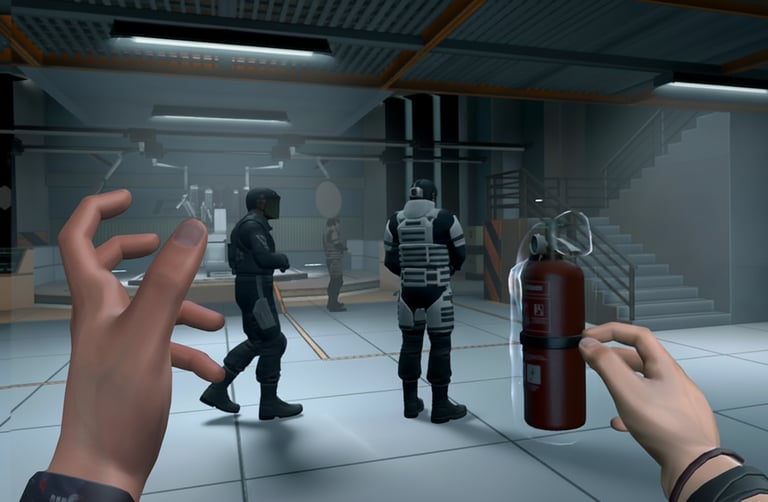
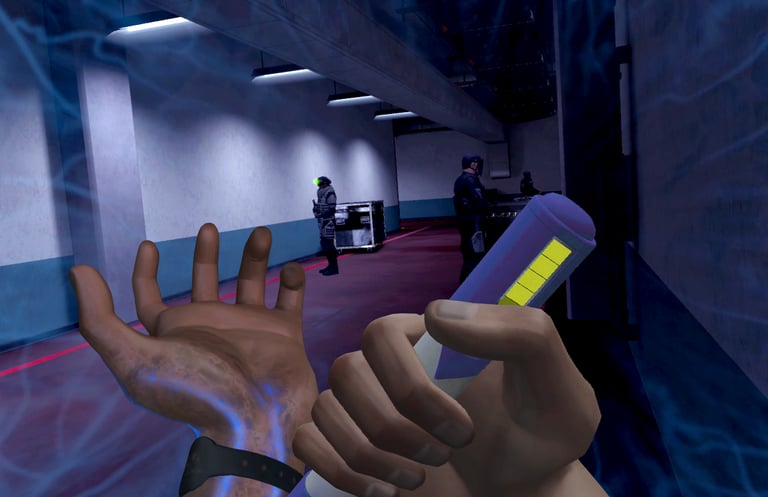
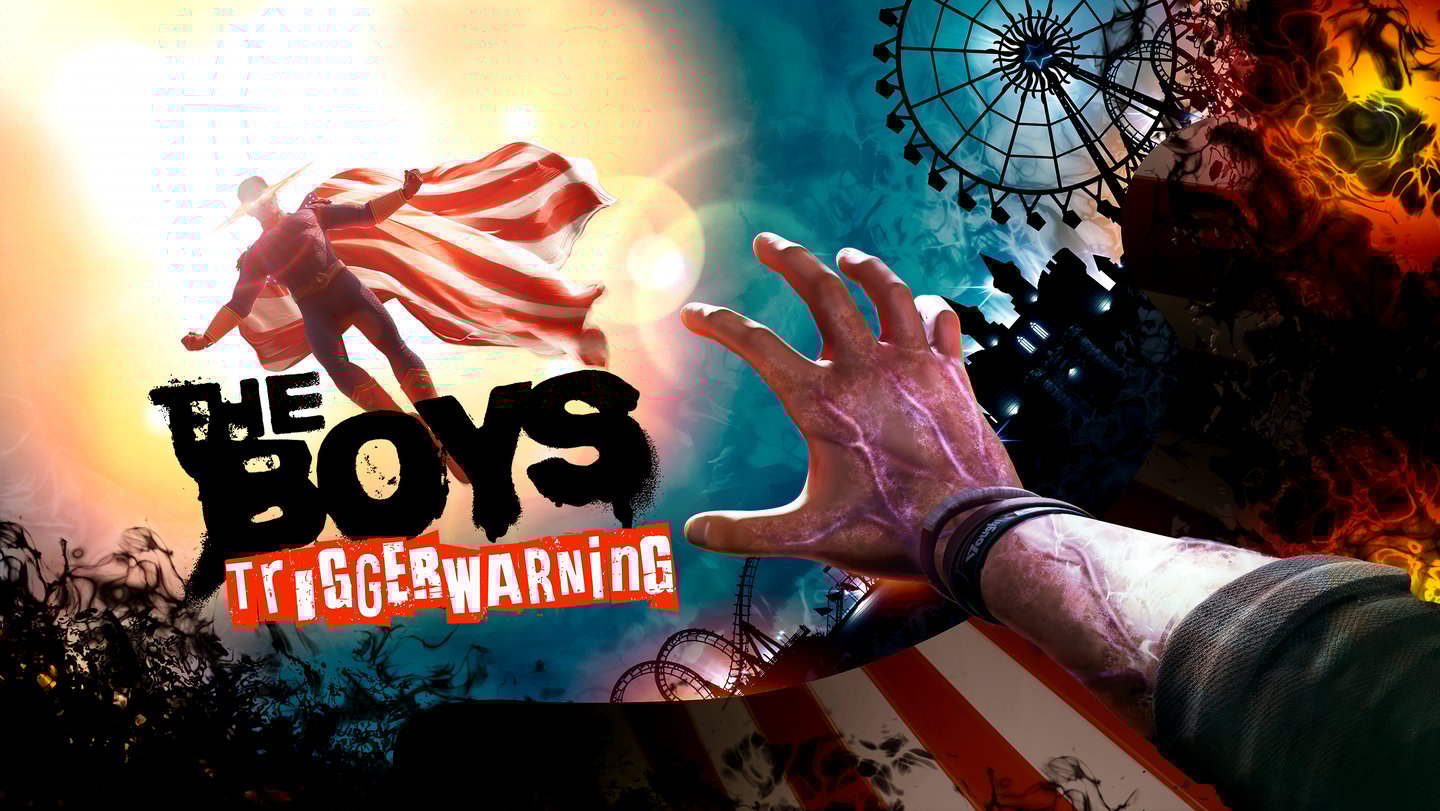
The Boys: Trigger Warning is a VR stealth-action game developed in collaboration with the streaming series’ writers. I joined as a gameplay programmer during the prototype phase of an earlier iteration (also a hero-focused title) and became Lead Programmer when ARVORE signed on to reboot the project within The Boys universe.

Overview
The project was built in Unity and targeted multiple platforms from the outset. Over nearly three years I worked across two primary areas—code and system architecture, and team organization—taking different weights in each as the project progressed.
Pre-production
I actively built core systems and planned our deliveries alongside the team and all other disciplines. Responsibilities included, but were not limited to: authoring the technical design document, creating user flow diagrams, producing UML and system architecture definitions, implementing foundational systems, and managing the programming team (which ranged from four to five engineers, including myself, during this phase).
Production
Key takeaways
During production we scaled the engineering team to eight programmers, including myself. The full development team fluctuated between 30–40 people, not counting external contractors, the publisher, and other stakeholders. With only one producer for most of the cycle, I stepped into a broader organizational leadership role—defining a clear schedule, prioritizing scope, and translating stakeholder requests into actionable plans for the development team.
This was the most complex game the studio had delivered up to that point, requiring new or adapted methodologies to manage scale and cross-disciplinary coordination.
Working with a global IP taught me how to balance stakeholder expectations across multiple functions and communicate those priorities effectively to the development team.
I learned to balance hands-on programming with team leadership: as scope and constraints became clearer, judgment was required to decide how the team should grow without introducing risk.
Long-term planning was essential: from day one we anticipated platform differences, narrative scope, and frequent scope changes driven by external feedback, and made architectural and production decisions to mitigate future problems.